Sunday, May 2, 2010

KW Vegan Bake Sale

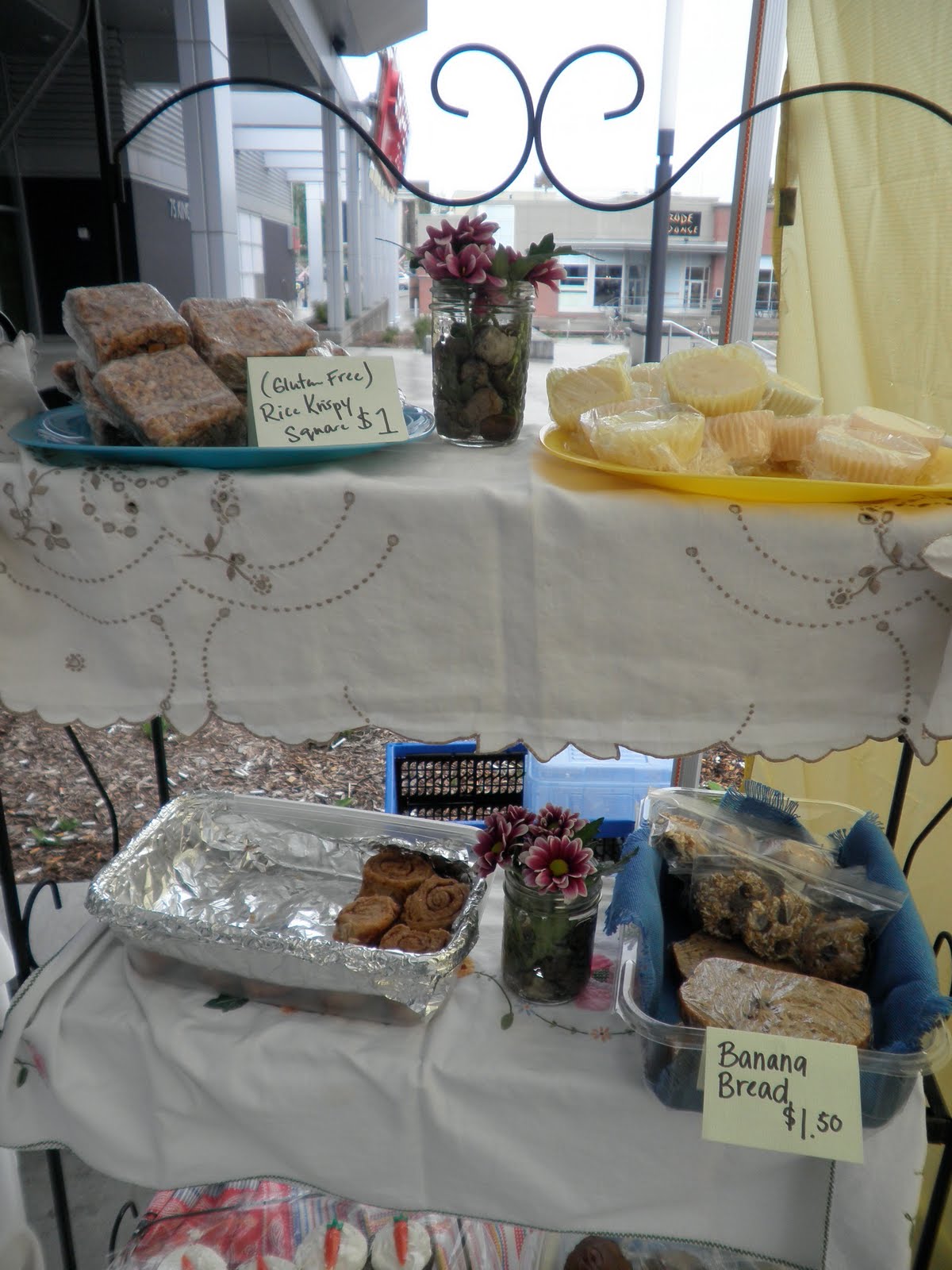
About a month ago (during exam time) I randomly decided to organize a vegan bake sale in Kitchener Waterloo as part of the Worldwide Vegan Bake Sale which occurs within the weeks of April 24th to May 7th all over the world.

Jacki and I working the table

When I made this decision I did not consider how it would pan out, but it was a great event! With the help from several friends we publicized, rounded up many bakers and recruited even more eaters, all to make an amazing day!!!
Muffins, Brownies and Baklava Hanging out with the flowers

All proceeds of the bake sale are going to the KW Humane Society, and after counting it all yesterday, it totaled $419.78!!Various Baked Goods

The Bake Sale was a great success, and I look forward to it becoming an annual Kitchener Waterloo event! Thanks to everyone who made the day ROCK!

Saturday, April 17, 2010

Tuesday, April 6, 2010

Food

Hey, so as I follow so many yummy foody blogs I decided to try to document the food I make/eat too! Although I have been failing horribly! We had a wonderful vegan easter dinner and I forgot to photograph any of it! Bahh, oh well, I did get a photo of a few of the left over desserts (recipe from VegNews), which were super yummy, after the dinner.

I have captured a few shots of fun times/food though, here they are:


A few weeks ago I went to guelph and we ate at Cornerstone, a yummy veg. resturant, and here I am with my wrap, I look like such a crazy hippie, I swear I don't always look THAT crazy!


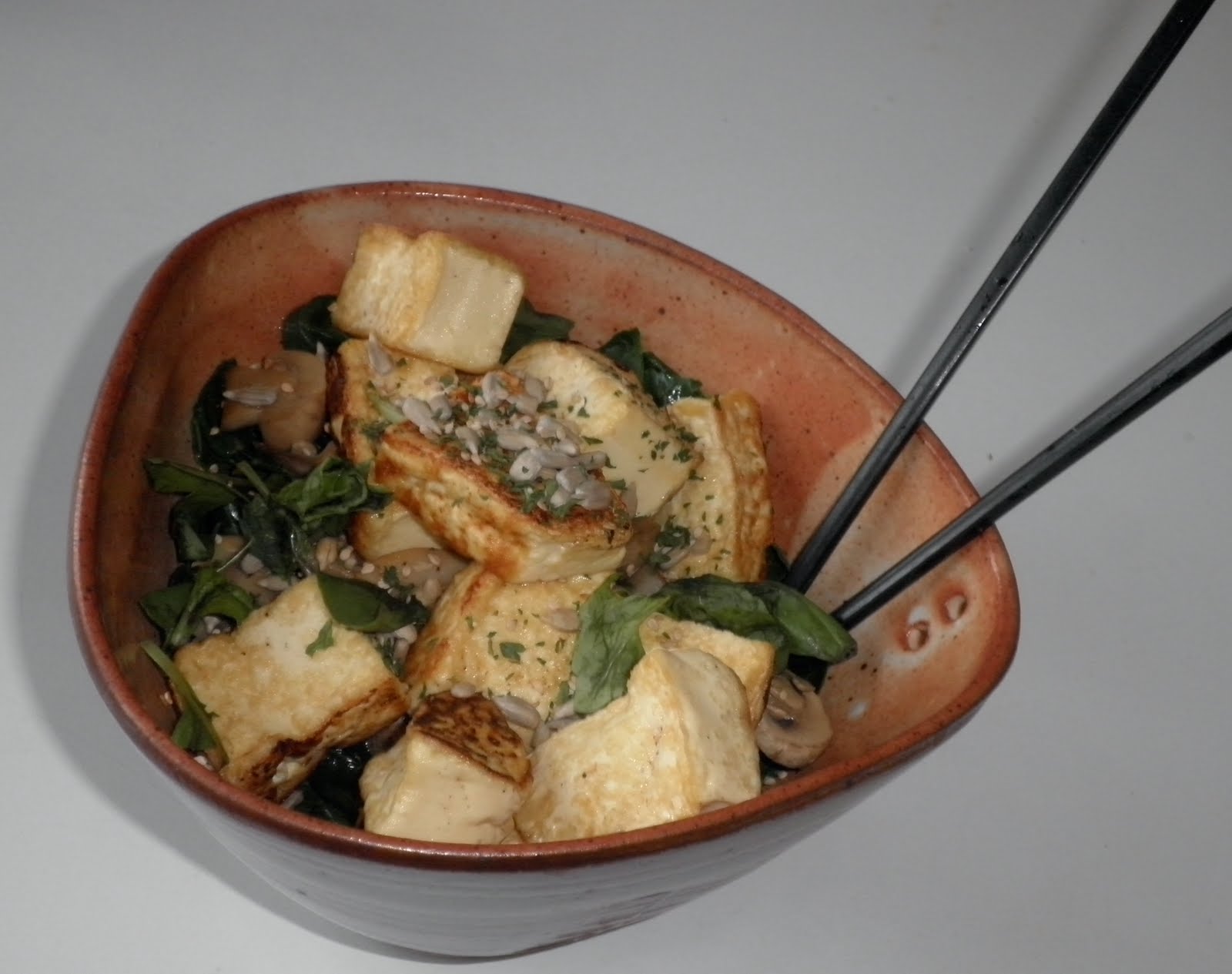
This is a shot of a delicious lunch I made a few weekends ago, isn't it pretty?! Its fried silken tofu with a veggi/noodle stir-fry, YUM!


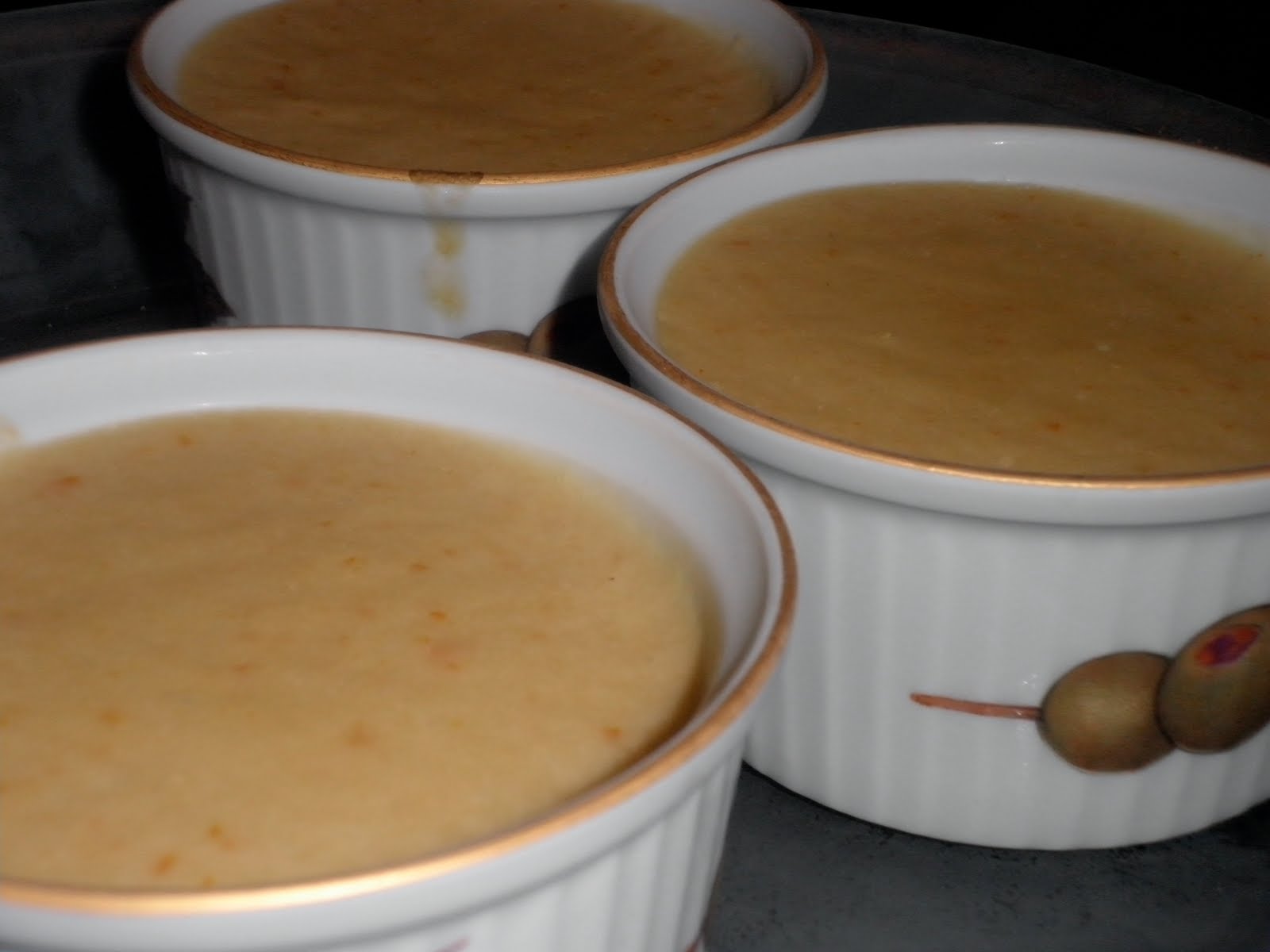
Here are the delicious desserts I made (recipe from VegNews) blending together soycreamer, cashews, liquer, oranges, and sugar, and freezing it! What more could you want?!

Hope you enjoyed, hopefully i get better at both remembering and the photo taking itself!

Saturday, March 20, 2010

I love me!

Last night I spent time with me and it was glorious! I dont remember the last time i just dedicated a night to hanging out with me and not feeling guilty about not doing school work! It was great!

Even chopping vegetables had so much more enjoyment in it! There something to that concept where when we are constantly worrying about whats next that we forget to experience the moment, and the joy that every task (like chopping vegetables) has!

Not yesterday, but the day before, I also made some wonderful muffins with a little adaptation due to limited ingredients. The original recipe was from "Eating with Less" but of course I veganized it and changed it a bit based on what I had on hand. The muffins became Whole Wheat Rhubarb, Peanut Butter, Pinnapple!! Actually really good!

Monday, March 15, 2010

Why do we consume cows milk?

This has been a probing topic for me, and as I sit here, exploding from the fabulous grilled veggis/tempeh I just feverishly consumed (sorry no picture, however I really need to start documenting my food!) I ponder this dairy conundrum.

People tend to think that cows milk is a human right, we are suppose to drink it, I mean, after all, why else would cows produce it? But wait a second, why do humans produce milk? To feed new borns, that is why women are not constantly lactating, but rather they only lactate after pregnancy. Humans arn't cows, but we are both animals, and cows, similar to humans, only produce milk to feed their young. Thus to keep those cows producing the milk they have to be impreganted, and then their caves are taken away from them when they are only a few days old.


I know this may all sound a little extremist, but really, I'm not being extremist, even wikipedia talks about it: http://en.wikipedia.org/wiki/Dairy_cattle. There you can learn about the hormones that are used too!

Wait, but isn't milk needed for calcium? Again, lets evaluate this concept. Calcium doesn't appear from no where, cows get it somewhere, and that SOMEWHERE is grass and green leafy vegetables. However, with factory farms, most cows don't get to eat such yummy green things, thus the diet of the cows are fortified with calcium. So, really, as long as we eat those green leafy veggis then we are getting what we need.

Whats more, drinking cows milk can actually, potentially reduce our calcium in our bones rather then increase it. Now this surly must be a lie right? I mean, we get plummet with all those "Drink Milk" ads all the time, however...no its not a lie! Cows milk has a large amount of amino acids (acidic-ness) that your body needs to neutralize. Since calcium is a base, your body often draws calcium out of your bones to neutralize these amino acids. Plus, your bones need a lot more then just calcium, check out the msn health article http://health.msn.com/health-topics/cholesterol/articlepage.aspx?cp-documentid=100153762! No she's not some radical vegan!

Well, I think I will end here...so next time, think twice before reaching for that cows milk and opt for soymilk, almond milk, or even oats milk instead. It helps you, the cows, and the environment!

Thursday, February 18, 2010

Fair Trade Bananas

I have been wanting to post this article that I wrote in the summer for a while, so here it is:

Bananas: What is this fair-trade nonsense?

Someone stops you on the street and urges you to buy fair-trade, the activist tells you that by not drinking fair-trade coffee you are keeping thousands of people in poverty. What is going on? What are these people talking about?

When you walk into a store to buy your week’s worth of delicious, yummy, potassium rich fruit (which, by the way, are the 4th most important staple food in the world) you are faced with the decision to buy the standard, perhaps Dole brand, bananas for $0.59/lb, or you could buy the fair-trade (usually organic too) bananas for $0.85/lb, your thrifty side urges you to reach out for those Dole bananas…I mean come on they are cheaper! But lets take a moment to think about this decision. As citizens of the world, often the best way to get ourselves heard is where we put our money, so where is our money going when we buy the, say Dole, bananas? Well…

1. Currently 85% of the banana industry (including small farms and large plantations) are owned by 5 banana industries (Chiqueta, Dole, Del Monte, Noboa, and Fyffes)
2. In Costa Rica, a major banana growing country, there are 280 different pesticides approved to be used on bananas. This amounts to 44kg/hectare/yr of active pesticides being used, that’s 10 times the amount of pesticides used on agriculture in industrialized countries. These pesticides grossly contaminating both the environment and workers.
3. The run off from these pesticide saturated plantations kills millions of birds, animals, and fish in surrounding wetlands and coastal regions. The run off is so toxic because banana plantations are situated in tropical regions, where lots of rainfall occurs, thus resulting in 60-85% of the pesticides used actually leaching off into the water and surrounding environment.
4. However, environmental degradation doesn’t stop there, because these bananas industries are so large, they often have no means to properly deal with their organic wastes, which on smaller farms could be composted, thus it is thrown away, dumped in massive piles at the edges of plantations or rivers, killing more fish and animals.
5. Surprisingly, extreme amounts of plastic is used in the banana industry for encasing banana stalks for protection, and holding the stalks erect to not collapse from the weight of the bananas. Massive banana companies discard the plastic waste into the environment, choking and smothering many fish, birds, and turtles.

Okay, so you get the point, those $0.59/lb bananas aren’t so great for the environment, but what about the workers? Well…
1. Many of the major banana companies in South America having close ties with the government making it possible to manipulate the countries minimum wages and rules to ensure the company, not the workers, get most of the profit.
2. It is harder and harder to keep family farms, because banana producers pressure such farms to sell their land to the companies, using threats to make sure they abide. Commercial producers apply such stringent rules on small farms that farmers are often forced to turn to wage work on corporate plantations to survive.
3. As the commercial price of bananas continues to drop, workers are forced to work longer and longer hours. Often workers will work 12-14hrs a day, with no weekends or holidays.
4. To keep costs down, and wages low, commercial producers only offer 6 month or fewer contracts, making income very unstable for the workers. This makes it impossible to save money for the future or invest in education with no stable income.
Hmm, well, you decide that maybe you should reach for the fair-trade bananas, but how do you know that extra dough you are shelling out really is going to help the workers and improve the enviro. Is your extra money going to actually change any of these social and environmental problems? Well, yes…

1. Each fair-trade box of bananas carries with it a US $1 “fair-trade premium” which is invested in social and economic projects in the plantations and surrounding communities.
2. On small farms, the fair-trade premium is evenly split between all workers, however on larger scale plantations a joint body is formed to decide what to use the premium for. The premium must be used to improve the living and working conditions of the workers themselves.
3. Fair-trade banana producers must guarantee the growers a fair-trade price that covers the sustainable cost of production. This is why the cost of fair-trade bananas is more expensive then conventional ones.
4. On the plantations, all workers have a say in any major decision making process, this ensures that everyone’s voice is heard. If desired, workers are allowed to unionize to further their power and influence in the business.
5. Children under the age of 15 are not allowed to work. If they are older 15 they may work as long as it does not interfere with their schooling.
6. Finally, the workers must be paid at least as much as the regions average or minimum wage.

Buying fair-trade really does mean more then getting your bananas with a fancy sticker on them. It means providing a sustainable livelihood for thousands of individuals. It means decreasing the number of toxins that are leached into the world. It means saving the wildlife struggling to survive in these tropical countries.

If you demand fair-trade, then companies will provide. As a consumer you have a lot of power that should never be underestimated. Most health food stores and natural food stores sell fair-trade bananas, even some standard grocery stores do! And if they don’t, ask them if they would consider carrying them, you never know!

Resources:
1. http://www.travbuddy.com/travel-blogs/15843/Banana-Production-and-the-Environment-Sarapiqui-1
2. http://www.panna.org
3. http://american.edu/TED/
4. http://www.fairtrade.net/bananas.html

Links:
1. How Your Money Helps the Workers (http://www.thisismoney.co.uk/consumer/caring/article.html?in_article_id=417773&in_page_id=511)

2. Where does the money go (note, that although this article refers to coffee, it is very similar when considering bananas) (http://fairtrade.change.org/blog/view/fair_trade_morning_perk_where_does_your_money_go_-_the_coffee_calculator)

Thursday, December 24, 2009

Whats so great about christmas anyways?!

I used to love Christmas, and on some level I still do. The spirit in everyone of giving, love, and generosity. Complete strangers saying hello, open doors for one another, and smiling, something often much to rare in North America. However, being back home, I beginning to remember why Christmas is also a time not so wonderful.
The whole family is home for Christmas, and all the tensions that come with that. The tension saturated silence between my brother and I fills the air every time both of us are in the same room. To start up a conversation would be tragic, because it would no doubt end in him making fun of me and I being upset. The mother who finds it necessary to criticize and judge every little thing: "you smell", "your wearing that?!", "speak up", etc.. There is no end to her love...

And of course, being vegan doesn't help. I am constantly faced with judgement, exasperation at my "eccentric" ways, and people being pissed off that I find eating animal products disgusting...uhh, can you blame me? Your inflicting unnecessary pain on another being, just so that your tongue can be happy, its not even making your body happy. Let alone the horrible environmental impact it has...but I will stop. I don't want to be one of those preachy vegans.

The point is, I love the idea of "Christmas", and the idea of happy family time, yet when it comes down to it, its a pain in the butt. Its walking on peanut-shells, choosing awkward silences over broken hearts, and feelings attacked and crushed over and over and over again. Sorry to be doom and gloom on Christmas eve! I just wanted to bring reality to the for-front and comfort anyone out there that is not having the "perfect" Christmas that you are not alone, and in fact, the "perfect" Christmas, I highly doubt even exists!

MERRY CHRISTMAS!!!